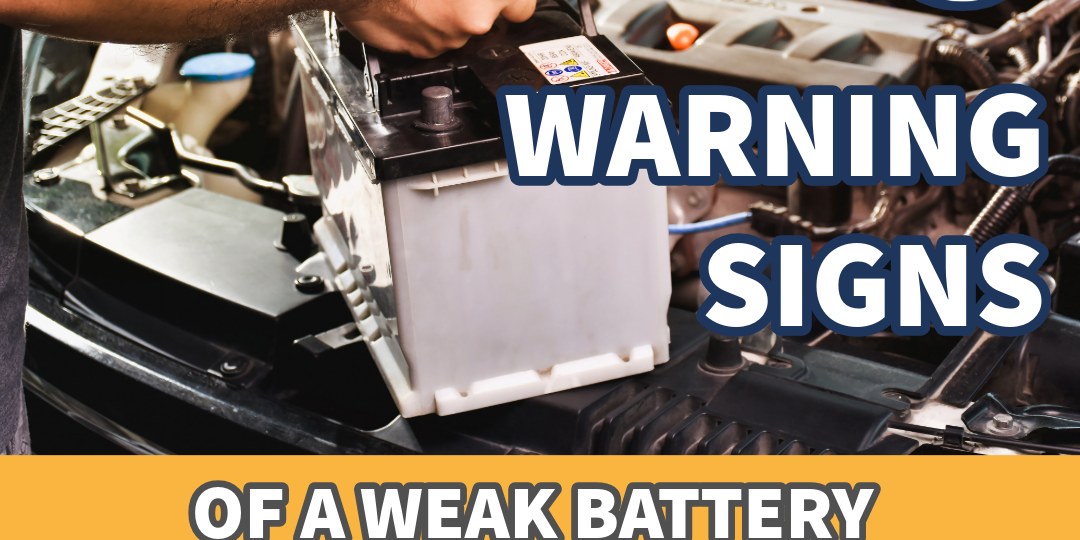
5 Warning Signs Your Car Battery Is Dying (Before You Get Stranded)
Few sounds are worse than turning the key or hitting the push-start button only to hear a dull, clicking noise. A dead battery rarely happens at a convenient time—it usually strikes when you are running late for work, heading out on a road trip, or leaving the grocery store in bad weather.
Fortunately, car batteries rarely fail without dropping a few hints first. Recognizing these red flags early lets you swap out an old unit before it leaves you stranded.
1. A Slow, Sluggish Engine Crank
When you start your engine, the battery has to deliver a massive jolt of power to get everything spinning. If turning the key results in a sluggish, labored sound before the engine finally catches, your battery is struggling to hold sufficient cranking amps. While colder weather can naturally reduce battery efficiency, a persistent slow crank means the unit is on borrowed time.
2. Dim Headlights and Electrical Gremlins
Your battery powers all vehicle electronics when the engine is off and works alongside the alternator when running. When a battery weakens, you may notice:
- Headlights dimming when idling or flickering during acceleration.
- Power windows rolling up noticeably slower than usual.
- Dashboard displays, infotainment screens, or ambient cabin lighting acting glitchy.
Modern vehicles pack dozens of microprocessors and electrical modules that rely on steady voltage. Minor electrical quirks often point straight to a fading battery.
3. Corrosion Around the Terminals
Pop the hood and take a look at the top of your battery. If you spot a chalky white, blueish, or greenish powder caked around the positive or negative posts, you are looking at battery corrosion.
Corrosion occurs when battery acid vents hydrogen gas, reacting with the surrounding metal hardware. This buildup acts as an insulator, restricting electrical flow and preventing the alternator from recharging the battery properly. While light buildup can be cleaned, heavy, recurring corrosion usually indicates an internal leak or overheating battery.
4. A Swollen or Misshapen Battery Casing
Under normal operating conditions, a car battery’s plastic casing remains completely flat on all four sides. Extreme heat exposure, internal chemical breakdown, or severe overcharging can cause battery cases to swell, bulge, or crack.
A swollen battery is a structural safety hazard. If your battery looks bloated or bowed out, schedule a replacement immediately.
5. It Has Passed the 3-to-5-Year Mark
Most automotive lead-acid batteries have an average lifespan of three to five years. Severe summer heat, freezing winters, and frequent short trips (which prevent the alternator from fully charging the battery) shorten that window even further.
If you cannot remember the last time you replaced your battery—or if the date sticker indicates it is more than three years old—routine testing should be part of every oil change and multi-point inspection.
Get Your Battery Tested at American Garage
Don’t wait for a jump start to find out your battery is failing. At American Garage, we provide quick, accurate diagnostic testing to check your battery’s state of charge, cranking amps, and alternator health.
If it’s time for a replacement, we will install a reliable Interstate Brand battery matched precisely to your vehicle’s factory specifications and recycle your old unit properly.
Stop by American Garage or book an appointment online today to keep your morning starts fast and dependable.