Why Is My Car Overheating?
5 Common Culprits Explained
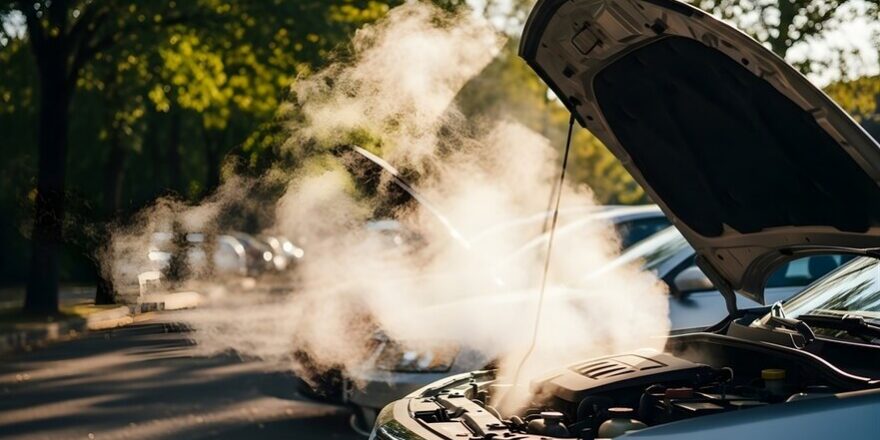
Nothing ruins a road trip faster than watching your dashboard temperature gauge creep into the red, followed by a plume of steam under the hood. An overheating engine isn’t just an inconvenience—if ignored, it can cause severe, costly internal damage.
Understanding why your cooling system fails is the first step toward preventing a breakdown.
How Your Cooling System Works
Your car’s engine generates massive amounts of heat during normal operation. To prevent metal parts from warping or fusing together, coolant (antifreeze) flows through the engine block, absorbs heat, and carries it to the radiator, where air cools it back down before repeating the cycle.
When any component in this loop fails, heat builds up rapidly.
5 Most Common Causes of an Overheating Engine
1. Coolant Leaks or Low Coolant Levels
This is the #1 cause of overheating. Coolant flows through hoses, the radiator, water pump, and engine block. Over time, hoses degrade or loose clamps cause small leaks. Without enough liquid in the system, heat cannot be carried away effectively.
2. A Stuck Thermostat
The thermostat acts as a temperature-controlled valve. When the engine is cold, it stays closed; once warm, it opens to allow coolant to flow to the radiator. If the thermostat gets stuck in the closed position, coolant gets trapped in the engine, heating up out of control.
3. Faulty Water Pump
The water pump is the heart of the cooling system, continuously pushing liquid through the loop. If its impeller blades wear down, or if the drive belt breaks, coolant stops moving, leading to immediate overheating.
4. Radiator or Fan Failure
Even with circulating coolant, you need airflow across the radiator fins to lower the fluid’s temperature.
- Clogged Radiator: Dirt and debris can block external airflow or internal passages.
- Broken Cooling Fan: When idling in traffic, your radiator relies on an electric fan. If the fan motor or switch fails, your car will quickly overheat at a standstill.
5. Low Engine Oil
Engine oil isn’t just for lubrication—it also absorbs friction and dissipates heat. Running low on oil increases friction between moving metal parts, creating extra heat that strains your cooling system.
Quick Prevention Tip
Check your coolant reservoir and oil levels at least once a month, and never ignore small spots or puddles underneath your parked vehicle. Catching a tiny leak early can save you from a blown head gasket or a completely destroyed engine down the road!